
The Diagnostic: Many modern “nursery” flowers have been genetically bred strictly for showy colors, completely sacrificing their nectar production. This results in a garden that looks pretty to humans but provides absolutely zero food for local bees, butterflies, and hummingbirds.
The Science: Native Central Coast pollinators are “co-evolved” with native plants. The insects recognize the specific bloom cycles, flower shapes, and scent profiles of the local flora.
The Red Flags:
- A “silent” spring garden with zero visible bee or butterfly activity.
- The use of systemic pesticides (like imidacloprid) on flowering plants, which poisons the nectar and kills the very pollinators you are trying to attract.
Reference: The Xerces Society for Invertebrate Conservation. “Pollinator Plants: California.”
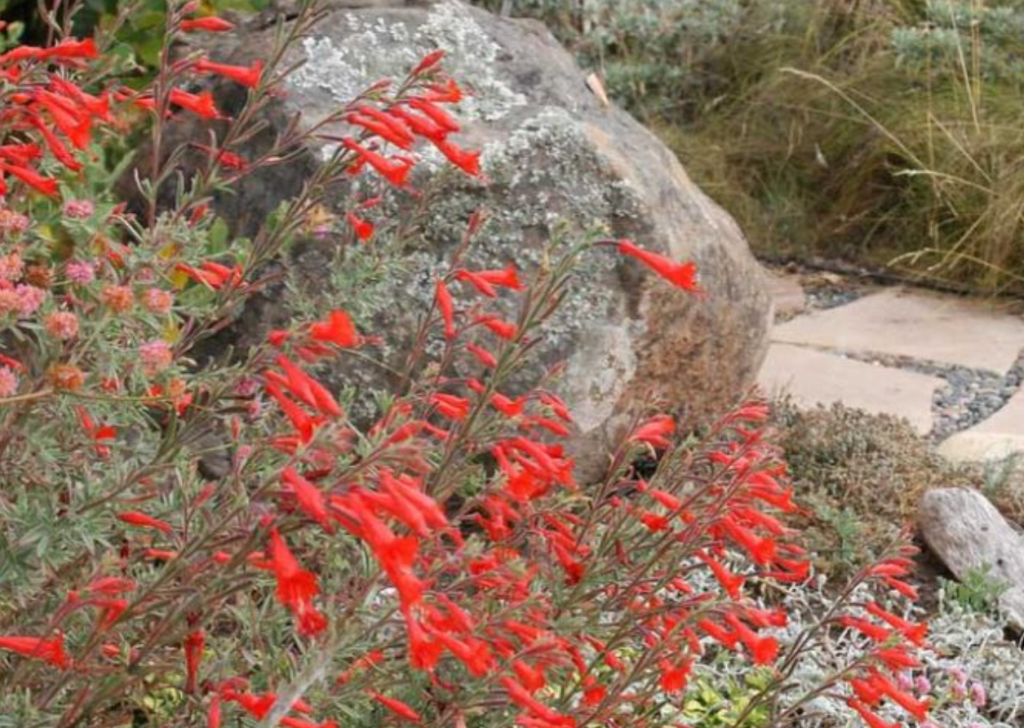
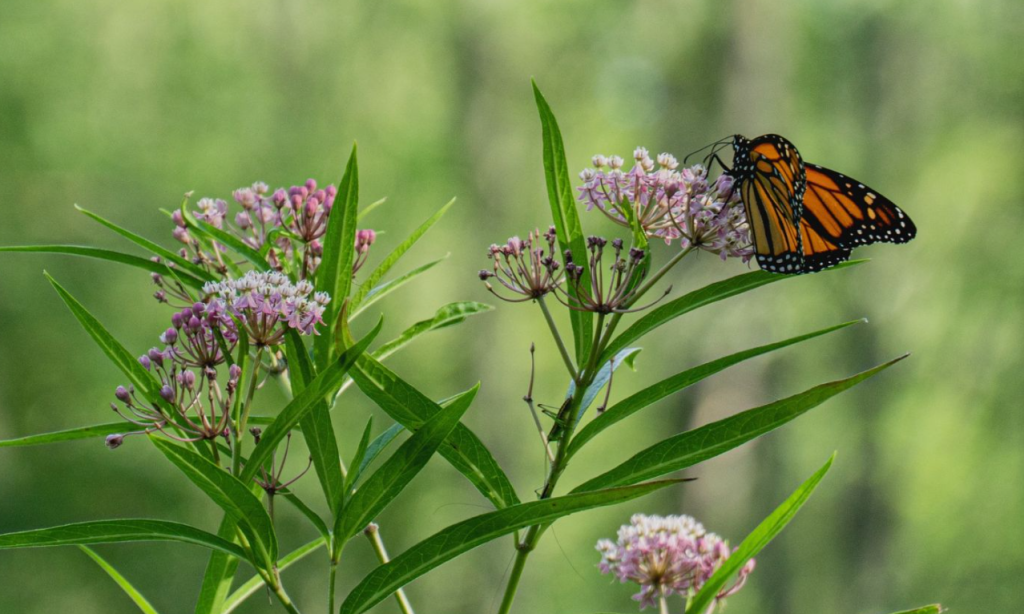
The ArborSolutions Guide’s Action: Plant Narrow-Leaf Milkweed (the sole food source for Monarch butterfly caterpillars) and California Fuchsia (a massive draw for native hummingbirds). These provide critical, high-energy fuel during the vital migration months.
🔍 Need a Professional 2nd Opinion?
The information above serves as a general guide, but every landscape is a complex, individual living system. If you are seeing these red flags on your property, don’t leave the health and safety of your landscape to guesswork.
At ArborSolutions, we do not sell or perform tree removal or landscaping services. We provide unbiased data and professional advice. We like to think of ourselves as the second opinion go-to before any major property or tree work decisions are made.
Ready to walk your property? Book a “Walking-Talking Tour” for a site-specific diagnostic and a clear, science-based path forward.