
The Diagnostic: Plants that look beautiful and thrive inland often “melt,” turn black, or look scorched when planted within a mile of the ocean in coastal zones like Pismo Beach, Grover Beach, or Carpinteria.
The Science: Constant coastal breezes carry microscopic salt spray. This causes severe desiccation, literally pulling the fresh water out of the plant’s cells through the leaves. Only plants that have evolved physical “armor”—like waxy coatings, leathery textures, or fine, reflective hairs on their leaves—can withstand this constant chemical assault.
The Red Flags:
- “Burned” leaf edges (marginal necrosis) even when the soil is properly watered.
- Stunted growth and “wind-pruned” tops where the plant physically stops growing on the side facing the ocean.
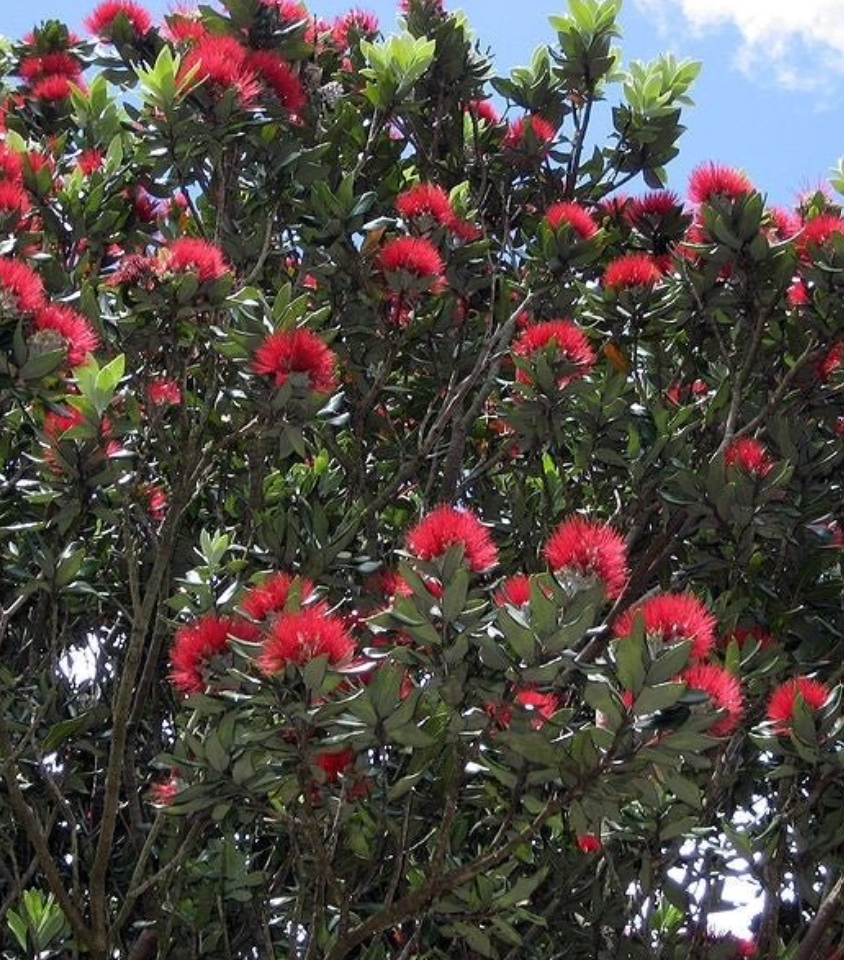
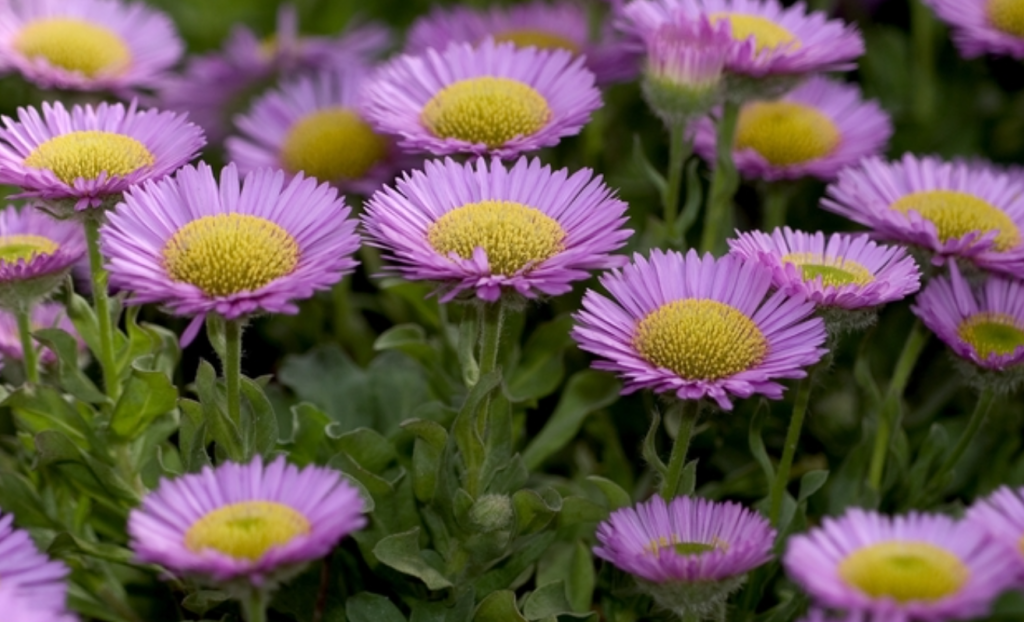
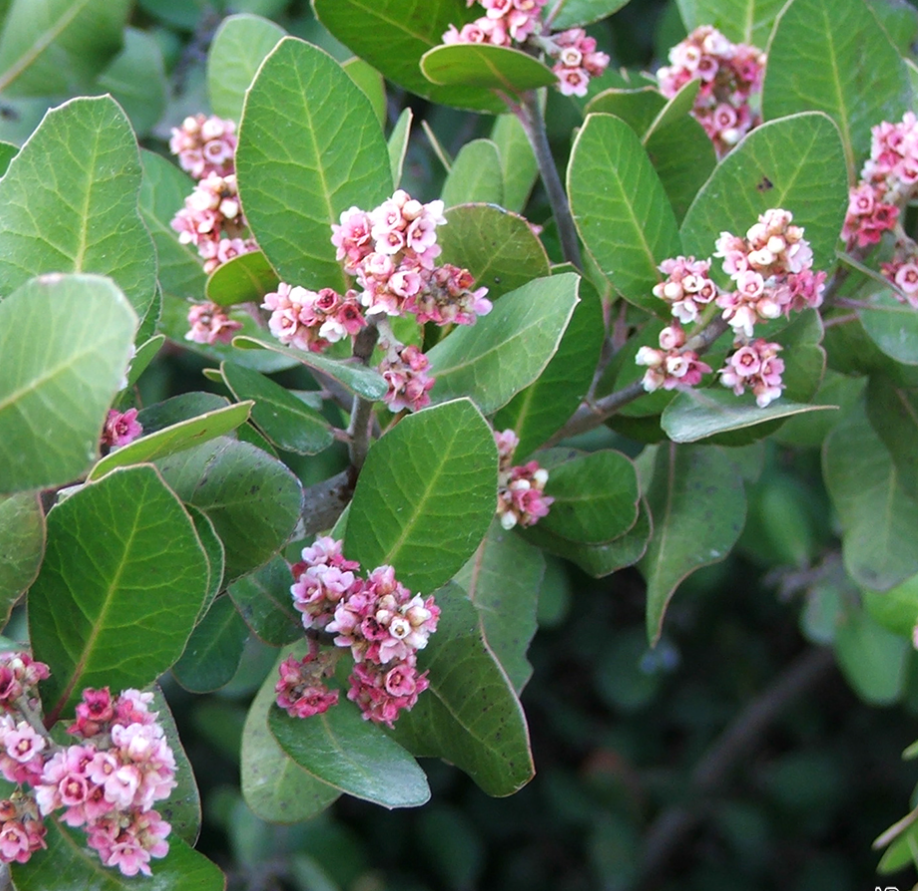
The ArborSolutions Guide’s Action: Stop fighting the marine environment. Focus on species like Seaside Daisy (Erigeron glaucus), New Zealand Christmas Tree (Metrosideros excelsa), and Lemonade Berry. These species lock fresh water in and keep coastal salt out.
Reference: Sunset Western Garden Book (Climate Zones 17 & 24) / UC Marin Coastal Plant Guide.
🔍 Need a Professional 2nd Opinion?
The information above serves as a general guide, but every landscape is a complex, individual living system. If you are seeing these red flags on your property, don’t leave the health and safety of your landscape to guesswork.
At ArborSolutions, we do not sell or perform tree removal or landscaping services. We provide unbiased data and professional advice. We like to think of ourselves as the second opinion go-to before any major property or tree work decisions are made.
Ready to walk your property? Book a “Walking-Talking Tour” for a site-specific diagnostic and a clear, science-based path forward.